




What a Boutique Firm Means for Your Design Project
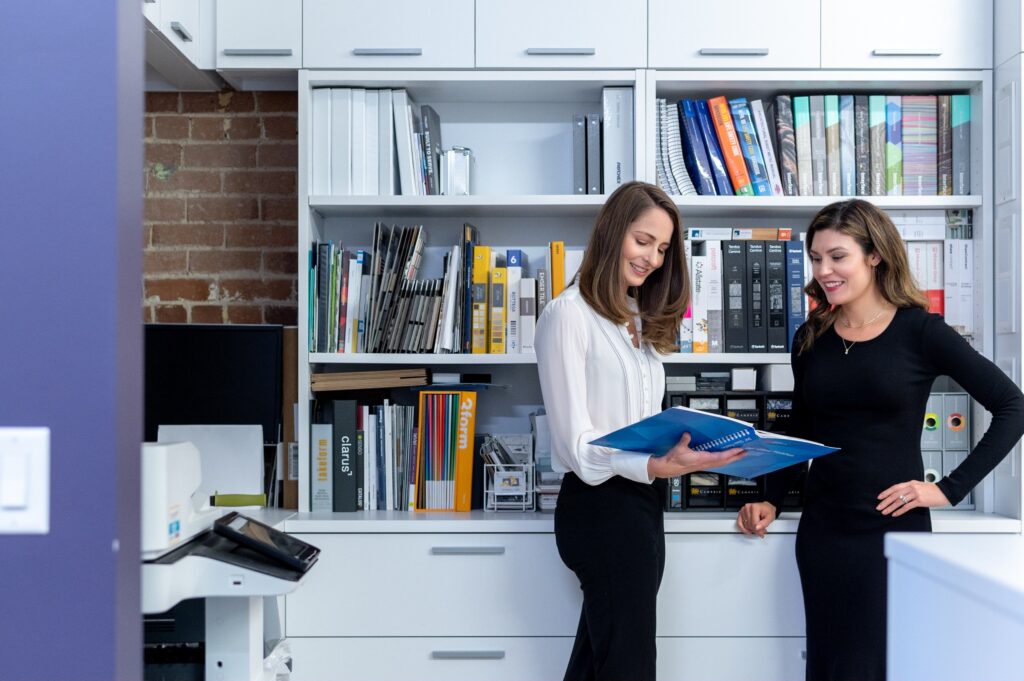
When choosing an architecture and design partner for a major project, conversation often centers on capability, credentials, and reach. These are the right questions to ask and there is another question that matters just as much, which is rarely on the formal evaluation list: who, specifically, will be at the table from the first meeting to the final walkthrough – and will the same people be there for your next project after that?
The answer depends almost entirely on the structure of the firm you choose. And it is one of the most consequential decisions you will make.
Senior-Led Means What It Says
When A2studio Architecture + Design describes our model as senior-led, we mean it literally. The architects and designers who sit with you in the first programming meeting are the same ones who stay with you throughout. There is no rotating cast of associates assigned to your project based on staffing availability. There is no point at which the relationship is handed off from the partner who won the work to the team that delivers it. This continuity sounds straightforward in description but in practice, it changes the experience of a project in ways that are difficult to fully appreciate until you have lived both versions.
It means the person reviewing a critical design decision has the full context of why every prior decision was made the way it was. It means when a question comes up at three o’clock on a Tuesday afternoon, you are not explaining your business to someone new. It means the institutional memory of your project lives with the people responsible for delivering it, not in a handoff document that gets read once and filed.
Where Continuity Earns Its Keep
The value of senior-led continuity becomes most visible in the moments when a project is under pressure.
Project managers and facilities leaders carry significant risk on large infrastructure projects. Schedules, budgets, internal politics, contractor performance – much of it sits in their column whether or not it is within their control. The role of a good design partner is to make these stakeholders look good. To help them think through presentations before they go to leadership. To pressure-test decisions with them behind the scenes. To step into tough contractor situations so they are not carrying it alone.
This is not work that scales easily across a large staffing model. It depends on relationship, attention, and the kind of intuition that comes from having been in the same room with the same client over time. When the people doing this work are senior, the support is real. When the work is delegated to junior staff with limited authority and limited context, the support becomes administrative rather than strategic.
The same principle applies to the harder conversations. Telling a client that a direction will not work operationally, or that a budget needs to be revisited, or that a decision needs to be made differently requires both seniority and trust. The senior team that knows your business is in a position to deliver hard truths in a way that protects the project. A rotating team is not.
Continuity Across Projects, Not Just Within Them
The deeper value of the model emerges over time, across multiple engagements. When the same senior team works with you on your second project, then your third, then your tenth, things begin to compound. They become familiar with your standards. They carry forward the lessons learned from your earlier facilities and apply them automatically to the next one. They know which stakeholders need to be involved early. They know the difference between what your organization says it needs and what it actually needs, because they have watched that distinction play out across years of work together.
For national companies managing a portfolio of facilities, this spells operational continuity. It means you can pick up the phone, raise an issue, and have it addressed quickly by someone who already understands the context. It means every new project starts from the institutional knowledge of every prior one, rather than starting from zero with a new firm in a new market.
It is also why A2studio Architecture + Design is carefully selective about the clients we take on. The depth of service we offer to existing relationships is the asset we are protecting.
Choosing a design partner for a major project is partly about capability and partly about fit. But it is also about the structure of how you will be served – who will actually be present, who will carry your project’s institutional memory, and whether the same people will be there for the next one.
For organizations where continuity matters, where senior judgment is an asset you are paying for, and where the relationship is expected to outlast any single building, the answer to those questions is the answer to the larger one.
If you are approaching a major design initiative and want senior-level insight, reach out via our contact page to schedule an early planning discussion with our team.