






The Smart Way to Bring Design Trends Into a Commercial Space
Every few years, a set of design ideas takes hold across commercial interiors. Open plans. Then a retreat from open plans. Bold biophilic statements. Specific material palettes that suddenly appear everywhere. Some of these ideas are genuinely good, rooted in a real understanding of how people work. Others are simply of the moment, and will eventually read as dated the way any fashion eventually does.
Trends often reflect real shifts in how organizations operate, and ignoring them entirely produces spaces that feel frozen in time just as surely as chasing them produces spaces that feel disposable. The skill – and it is a skill – is knowing the difference between a trend worth building into the permanent structure of a space and one worth expressing in the elements you can easily change.
Where a Trend Lives Determines What It Costs
The most useful way to think about incorporating current design ideas is to consider where in the project they live, and therefore how expensive they are to reverse.
Some decisions are effectively permanent. Structural choices, major systems, the fundamental organization of a floor plate, high-cost finishes that are difficult to remove. When a fleeting trend gets built into these layers, the organization is locked into it for the life of the space. If it dates quickly, the only way to correct it is an expensive renovation.
Other decisions are far more forgiving. Furniture, textiles, movable elements, paint, the layer of finishes that can be refreshed without touching the structure. This is where a current idea can be expressed freely, because if it fades, replacing it is straightforward and inexpensive.
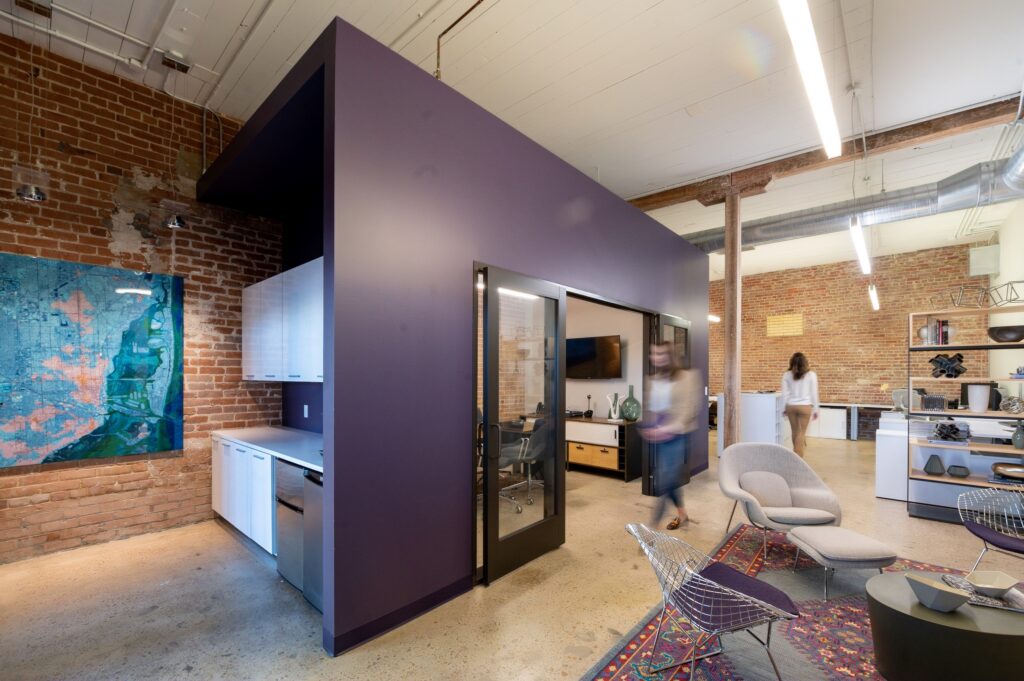
A well-designed commercial space uses this distinction deliberately. The permanent layers are built on timeless principles – quality materials, sound spatial logic, choices that have proven they can stand the test of time. The changeable layers are where a space can reflect the present moment, absorb a trend, and evolve as tastes shift, all without compromising the long-term investment.
Learning from What Lasts
There is a reason certain design objects remain relevant decades after they were created. Classic furniture pieces that are still specified today have endured not because they were fashionable when they appeared, but because they combined quality materials with timeless thinking. They were designed to last, and they have.
This is the lens A2studio Architecture + Design brings to commercial interiors. The spaces we design have to perform for years, often more than a decade, and the decisions built into their permanent structure have to hold up over that entire span. That does not mean ignoring what is current. It means being intelligent about how the current gets incorporated – grounding the lasting elements in durability and considered design, while leaving room in the changeable elements to keep a space feeling contemporary as time passes.
Quality matters most where it is hardest to change while trends belong where they are easy to update.
The Investment Case
For executive leadership, this is fundamentally a question of protecting a capital investment while keeping a space relevant. A space that chases every trend into its permanent structure will need expensive correction the moment those trends pass. A space that refuses all contemporary influence will feel dated and rigid in a different way. The intelligent middle path – timeless where it counts, current where it is easy to refresh – produces a space that protects the investment and still feels alive years after it opens.
The goal is to be deliberate about trends. Build the bones to last. Let the surface evolve. That is how a commercial space stays both sound and current over the long life it is meant to serve.
If you’re thinking about building a commercial space that protects your capital investment while keeping it current and relevant, reach out via our contact page to schedule an early planning discussion.